.png)
Check if Linked List is Empty
Problem
Given the head of a Linked List, determine whether the list is empty or not.
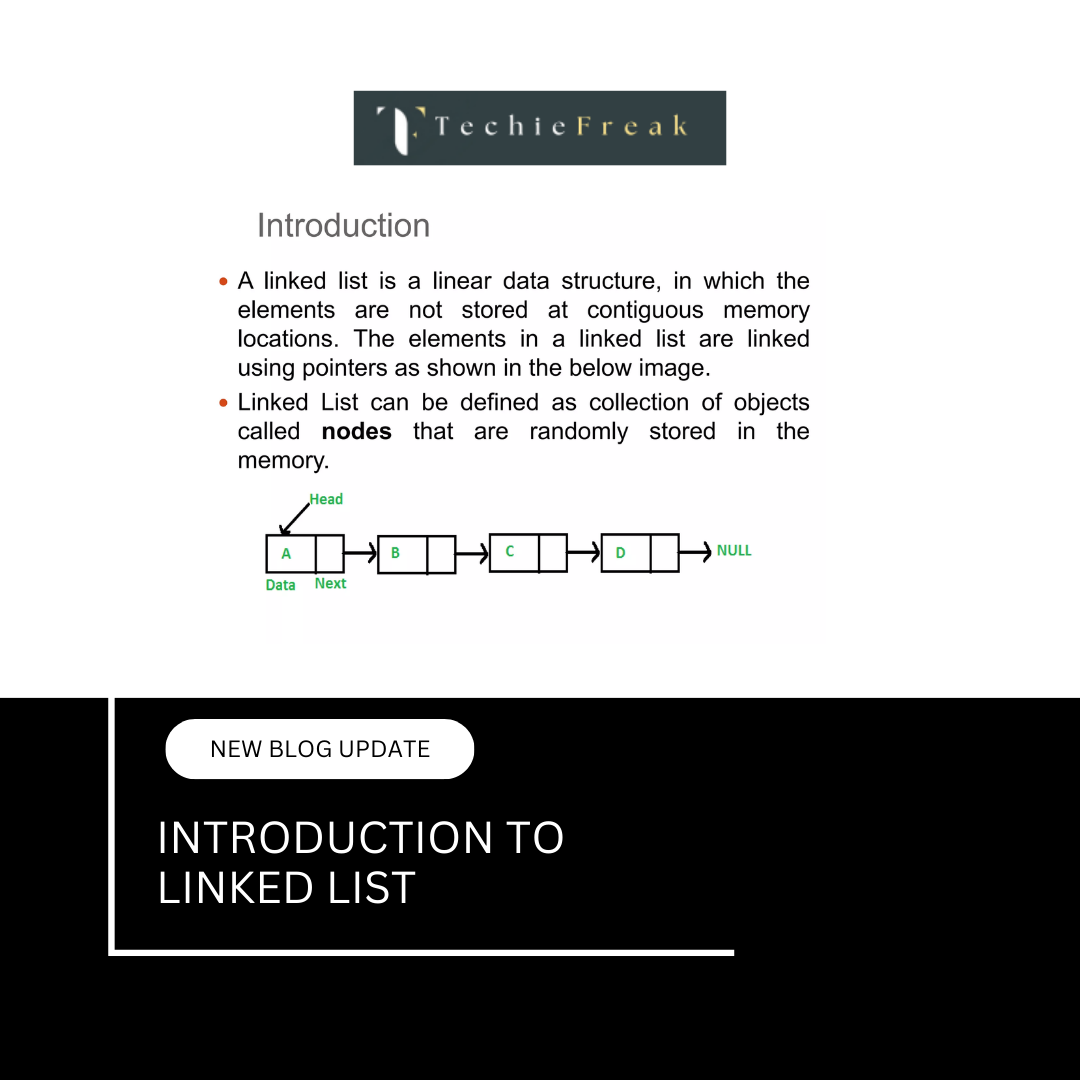
A linked list is considered empty when the head pointer is NULL (or None).
Return:
- true if the list is empty
- false otherwise
Example
Input
Head → NULL
Output
True
Input
10 → 20 → 30
Output
False
Approach 1 — Check Head Pointer
Idea
Since the head always points to the first node, if head is NULL, no nodes exist.
This is the simplest and most efficient method.
Steps
- If head == NULL
→ return true - Otherwise
→ return false
Time Complexity
O(1)
Space Complexity
O(1)
C Implementation
// While running this code, replace all #include "..." with #include <...>

#include "stdio.h"
#include "stdlib.h"

struct Node {
    int data;
    struct Node* next;
};

int isEmpty(struct Node* head) {
    return (head == NULL);
}

int main() {
    struct Node* head = NULL;

    if (isEmpty(head))
        printf("True");
    else
        printf("False");

    return 0;
}
Output
True
C++ Implementation
// While running this code, replace all #include "..." with #include <...>
#include "iostream"
using namespace std;

class Node {
public:
    int data;
    Node* next;

    Node(int x) {
        data = x;
        next = NULL;
    }
};

bool isEmpty(Node* head) {
    return head == NULL;
}

int main() {
    Node* head = NULL;

    cout << (isEmpty(head) ? "True" : "False");

    return 0;
}
Output
True
Java Implementation
class Node {
    int data;
    Node next;

    Node(int d) {
        data = d;
        next = null;
    }
}

public class Main {

    static boolean isEmpty(Node head) {
        return head == null;
    }

    public static void main(String[] args) {
        Node head = null;

        System.out.println(isEmpty(head));
    }
}
Output
true
Python Implementation
class Node:
    def __init__(self, data):
        self.data = data
        self.next = None

def is_empty(head):
    return head is None

head = None

print(is_empty(head))
Output
True
JavaScript Implementation
class Node {
    constructor(data) {
        this.data = data;
        this.next = null;
    }
}

function isEmpty(head) {
    return head === null;
}

let head = null;

console.log(isEmpty(head));
Output
true
Approach 2 — Using Size Counter (If Maintained)
Idea
In some linked list implementations, a variable called size (or length) is maintained that stores the number of nodes in the list.
So instead of checking the head pointer, we check:
- If size == 0 → list is empty
- Otherwise → list is not empty
This approach is commonly used in:
- Standard library implementations
- Queue/Deque implementations
- Production-level data structures
Steps
- Maintain a variable size in the Linked List class/structure
- When inserting → increment size
- When deleting → decrement size
- To check empty:
- If size == 0 → return true
- Else → return false
Time Complexity
O(1)
Space Complexity
O(1)
C Implementation
// While running this code, replace all #include "..." with #include <...>

#include "stdio.h"
#include "stdlib.h"

struct Node {
    int data;
    struct Node* next;
};

struct LinkedList {
    struct Node* head;
    int size;
};

int isEmpty(struct LinkedList* list) {
    return (list->size == 0);
}

int main() {
    struct LinkedList list;
    list.head = NULL;
    list.size = 0;

    if (isEmpty(&list))
        printf("True");
    else
        printf("False");

    return 0;
}
Output
True
C++ Implementation
// While running this code, replace all #include "..." with #include <...>

#include "iostream"
using namespace std;

class LinkedList {
public:
    int size;

    LinkedList() {
        size = 0;
    }

    bool isEmpty() {
        return size == 0;
    }
};

int main() {
    LinkedList list;

    std::cout << (list.isEmpty() ? "True" : "False");

    return 0;
}
Output
True
Java Implementation
class LinkedList {
    int size;

    LinkedList() {
        size = 0;
    }

    boolean isEmpty() {
        return size == 0;
    }
}

public class Main {
    public static void main(String[] args) {
        LinkedList list = new LinkedList();

        System.out.println(list.isEmpty());
    }
}
Output
true
Python Implementation
class LinkedList:
    def __init__(self):
        self.size = 0

    def is_empty(self):
        return self.size == 0

ll = LinkedList()

print(ll.is_empty())
Output
True
JavaScript Implementation
class LinkedList {
    constructor() {
        this.size = 0;
    }

    isEmpty() {
        return this.size === 0;
    }
}

let list = new LinkedList();

console.log(list.isEmpty());
Output
true
.png)
.png)
.png)
.png)
.png)
.png)
.png)
.png)
.png)
.png)
.png)
.png)
.png)
.png)
.png)
.png)
.png)
.png)
.png)
.png)
.png)
.png)
.png)
.png)
.png)
.jpg)
.png)
.jpg)
.jpg)
.jpg)